
About the Center
The Center for AI Oversight is an independent 501(c)(3) educational institution defining oversight governance for AI in regulated industries.
The Center for AI Oversight is an independent 501(c)(3) educational institution defining oversight governance for AI in regulated industries.
The Center exists to close The Velocity Gap: the distance between the pace of AI adoption and an institution’s capacity to oversee it. It defines what must be governed, who is accountable, and the record that supports an informed decision.
AI’s benefits and consequences reach beyond any one organization. Decisions made across institutions can affect patients, customers, employees, and the wider public. Distributed Accountability connects this shared need to specific responsibilities: every organization that builds, adapts, or puts AI to work must answer for the decisions it controls, with named accountability inside it.
That is why the Center conducts research, develops reference tools, educates boards, executives, regulators, and legislators, and convenes the professions. Shared understanding helps warnings and concerns reach people with authority to act, and helps institutions learn from experience. The purpose is to let organizations take informed risks, realize the benefits of AI, and move with confidence while remaining answerable for the consequences.
Oversight establishes the scope, authority, and accountability above management and technical controls. The Center defines the decisions that belong at that level.
A sound oversight process gives an institution a basis for weighing risk and reward, making a decision, and explaining the judgment behind it.
The program gives these ideas institutional form: defined responsibilities, authority, reporting, and evidence of decisions. The program is the governance.
The Center is a nonprofit serving boards, executives, public institutions, and the professions. Its role is to build understanding and the capacity to oversee AI. Each institution retains responsibility for its own decisions.
The Center is led by an Executive Director and Managing Director who bring complementary expertise in governance, regulation, partnerships, and operations.
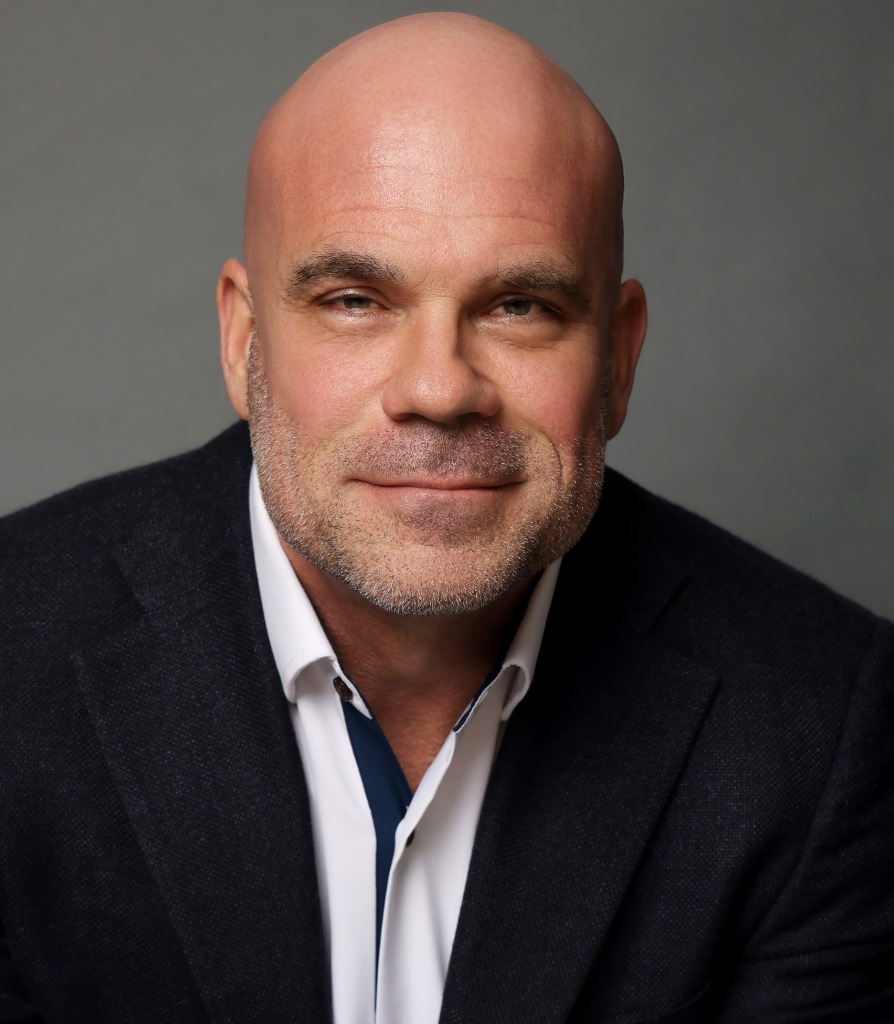
Brian Allen is a licensed attorney and governance executive whose career spans the C-suite, the regulatory landscape, and the emerging question of what AI demands of fiduciary duty. He founded the Center for AI Oversight to address a gap he observed across regulated industries: boards and executives were being told AI governance mattered, but no one was defining what it actually meant at the oversight level.
Prior to founding the Center, Brian served as Chief Security Officer at Time Warner Cable (Fortune 100), where he built and led enterprise risk governance across one of the largest telecommunications companies in the United States. He subsequently served as Senior Vice President of Emerging Technology Risk Management at the Bank Policy Institute, where he advised the nation's largest banks on financial regulation and technology risk.
He currently serves as Chief Trust Advisor at Ampliwork and Adjunct Professor in the University of Connecticut's MBA Financial Risk Management program, where he teaches the next generation of risk leaders.
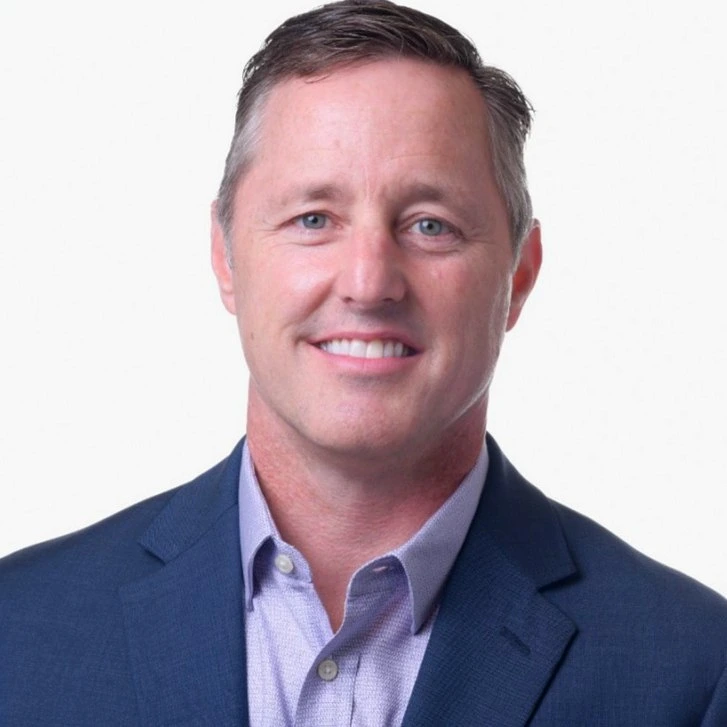
Scott Helfrich brings nearly three decades of executive leadership across healthcare, technology, and professional services. He has served in senior leadership roles including Chief Commercial Officer, Chief Operating Officer, Chief Client Officer, and Chief Sales and Marketing Officer, leading organizations through growth, modernization, technology adoption, and operational scale in highly regulated environments.
As Managing Director of the Center for AI Oversight, Scott leads the Center's institutional partnerships, business operations, and the execution of the programs, education, and convening activities that advance practical AI oversight. Drawing on extensive experience leading complex commercial and operational organizations, he helps bridge the gap between AI innovation and real-world implementation, bringing a pragmatic perspective to the opportunities, risks, and responsibilities facing executive leaders.
Scott's healthcare leadership background provides particular insight into the deployment of AI in environments where decisions carry significant implications for individuals, organizations, and communities. His leadership combines strategic vision with operational discipline, helping organizations adopt AI at enterprise scale without surrendering accountability.
The Center's advisory board includes former senior leaders from the federal agencies and regulatory bodies that shape AI governance expectations. Their experience informs our standards, our publications, and our guidance to industry.
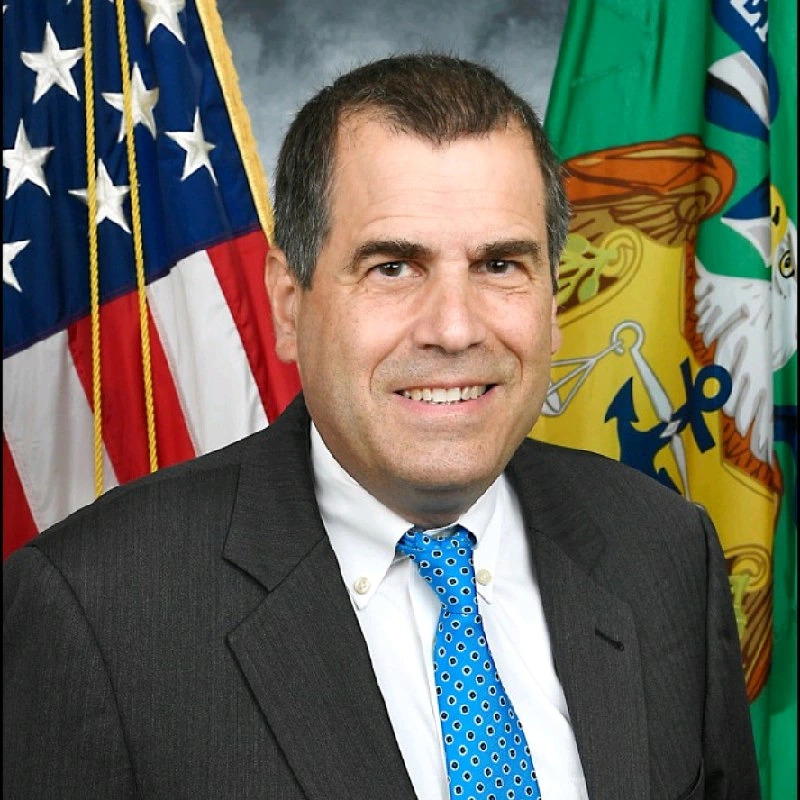

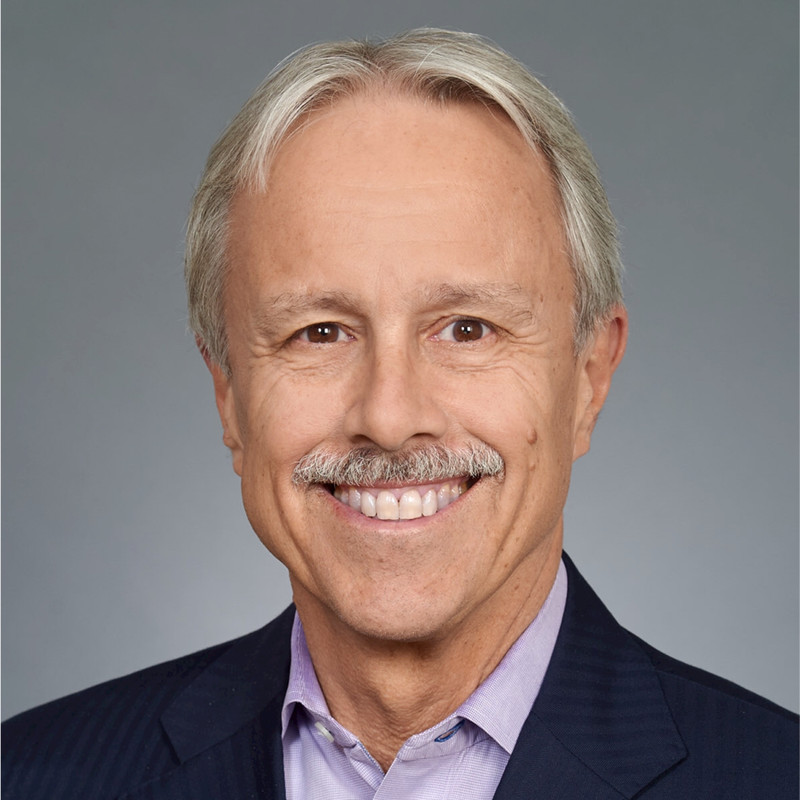

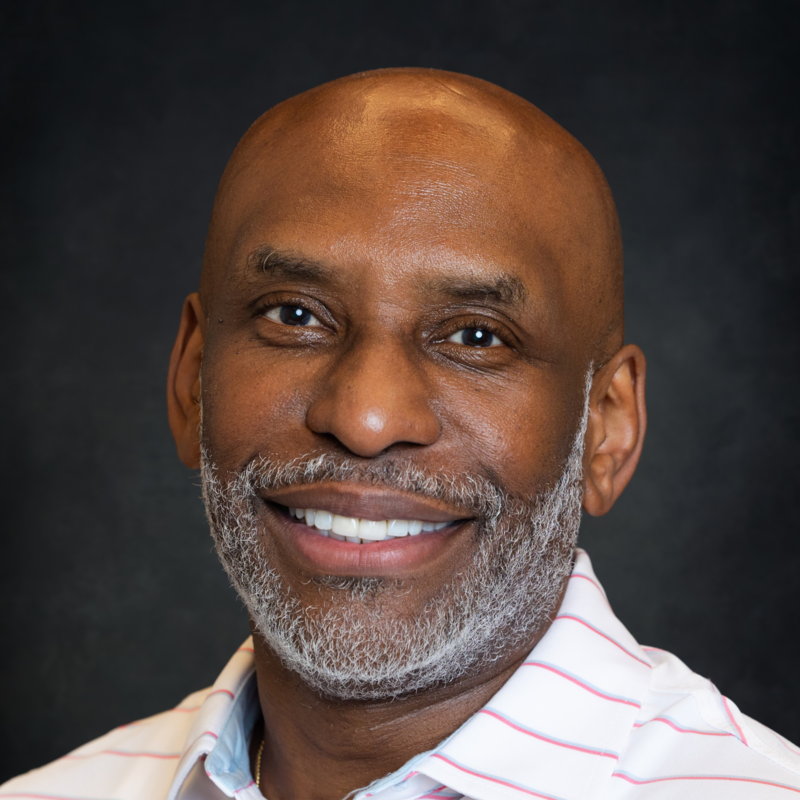
Senior Fellows are practitioners and subject matter experts whose ongoing work in industry contributes to the Center's intellectual community and research.

The Center for AI Oversight is incorporated in Connecticut as a nonstock corporation with federal tax-exempt status under Section 501(c)(3) of the Internal Revenue Code. Revenue from education, publications, and institutional partnerships sustains its research and educational mission.
Contact the Center about training, publications, speaking engagements, or institutional partnerships.