
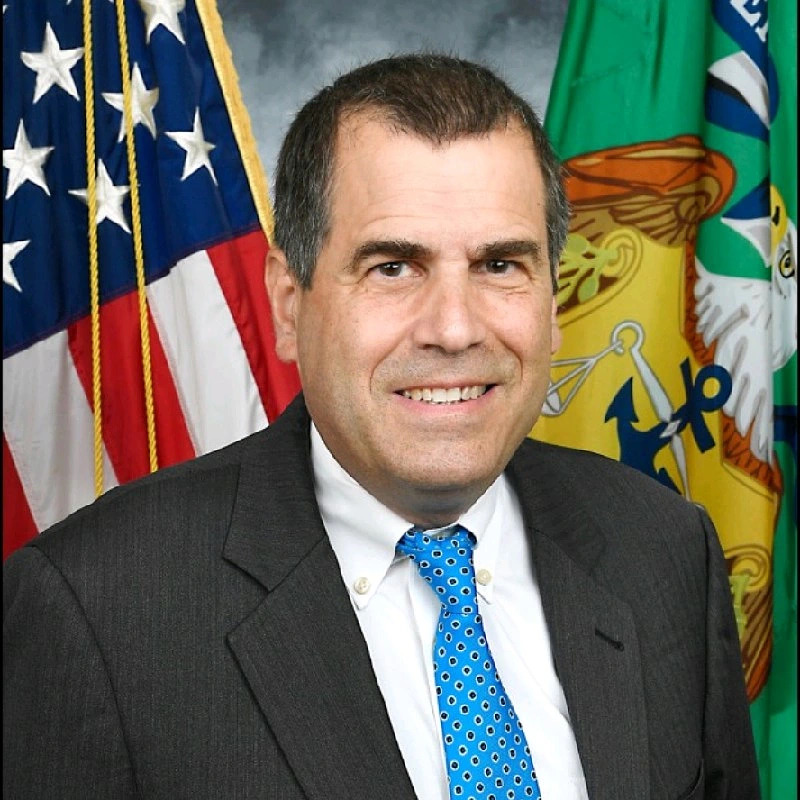
Brian Peretti
Former CTO & Deputy Chief AI Officer, U.S. Treasury
The Center for AI Oversight equips boards, executives, regulators, and legislators to understand what must be governed, who is accountable, and what record supports an informed decision.
The Center's mission is to make accountability real wherever AI is put to work, so institutions can make informed decisions and answer for their consequences.
AI is entering consequential decisions faster than many institutions are defining the authority and accountability around it. Attention to the models alone leaves an enterprise question unanswered: who decided what the system may do, and who can change that decision?
Boards and executives need a documented basis for the risks they choose to take. The Center develops the ideas, research, and reference tools that make those oversight decisions explicit.
Papers, legal and governance analysis, and practical reference materials for the decisions an institution must make about AI.
Explore the library →Documented contributions to public consultations and briefings on enterprise authority, accountability, and oversight.
Read the submissions →Board briefings, professional education, and conversations among directors, regulators, and practitioners.
Engage with the Center →Former CTO & Deputy Chief AI Officer, U.S. Treasury

Rear Admiral, U.S. Navy (retired); former FCC bureau chief
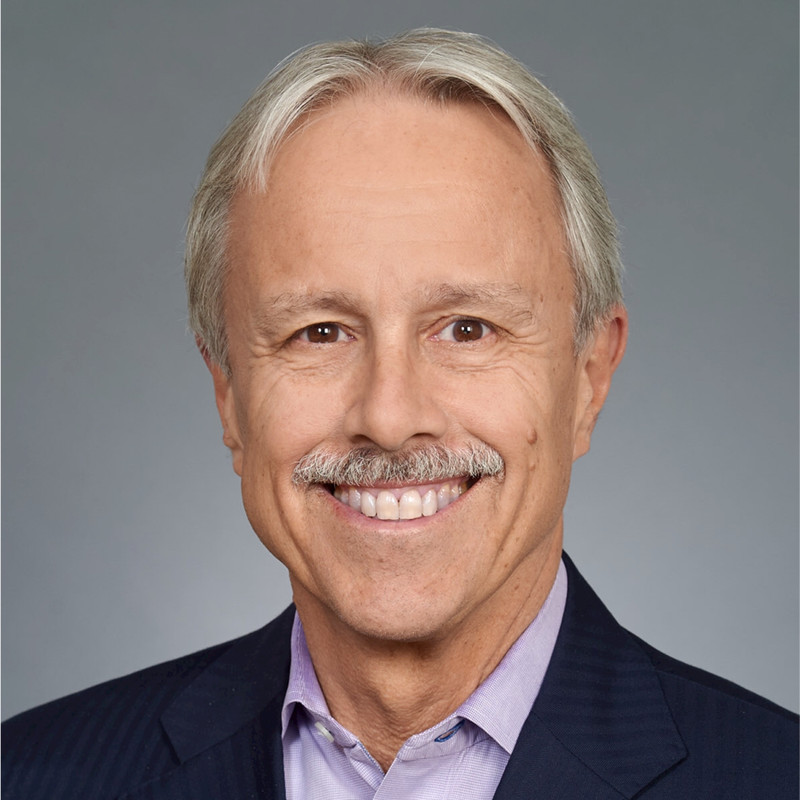
Former Director, SEC Southeast Region

Former Executive Vice President, Federal Reserve Bank of Boston
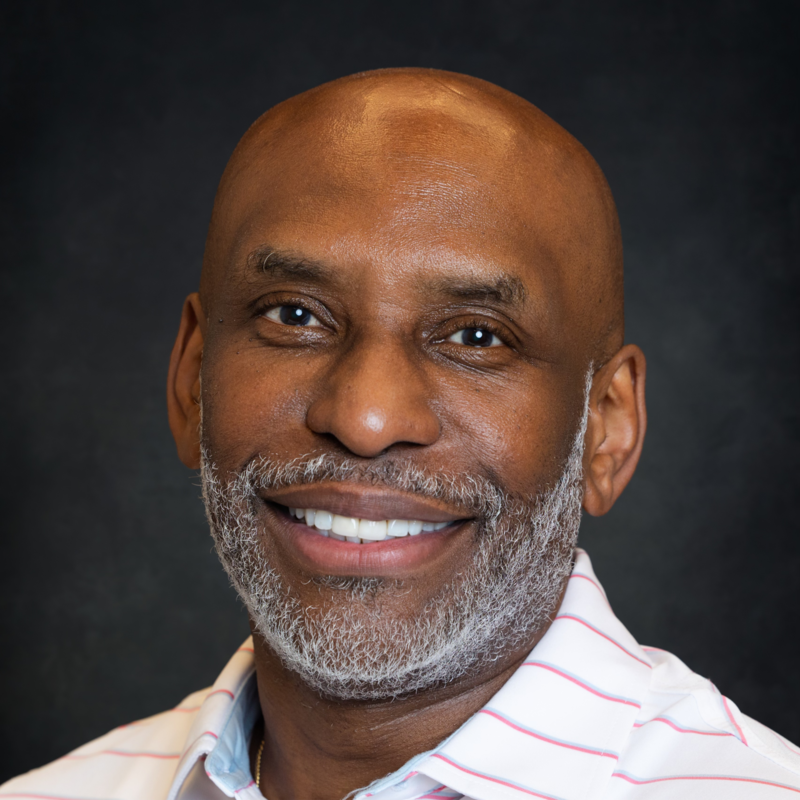
Former VP & Policy Counsel, Comcast; former FCC Chief of Staff and Legal Advisor
Technical controls govern the system. Management directs its use. Oversight governance establishes what must be governed, who answers for it, and the record the institution must be able to produce.
Read the Center's position →AI operates through decisions made across many institutions. Accountability must reach each organization that builds, adapts, or puts it to work, and attach to named people within each. The public need is shared; each responsibility must be specific.
Why accountability must reach every institution →The Center's test is whether the organization can demonstrate that it made an informed decision about AI. A traceable record allows an institution to take risk and explain the judgment behind it.
Read the essay →The Caremark question for directors and officers: which uses of AI create a duty of oversight, and what the record must show.
A use-by-use analysis, with a case comparison, determination worksheet, and model board resolution.
The laws, cases, regulations, and standards behind AI oversight. Search by industry, jurisdiction, and role, and distinguish source requirements from the Center’s interpretation.
Proposed additions to the AI Risk Evaluation Supplement that identify the program, the accountable parties, and the decisions on record.
Read the submission →The Center's proposal for a chartered oversight program, submitted in response to the August 3, 2026 community discussion draft.
Read the submission →A guide for auditors examining the design of an AI oversight program, its accountability, and the evidence that it operates in practice.
Publications with professional and industry associations connect the Center's research to the institutions that put AI to work.



The program is the governance. It records the scope the institution chose, the authority it granted, the people accountable, and the reporting and assurance it requires.
A structured reference for the decisions and evidence of oversight. The full Program sets out its domains, controls, and supporting sources.
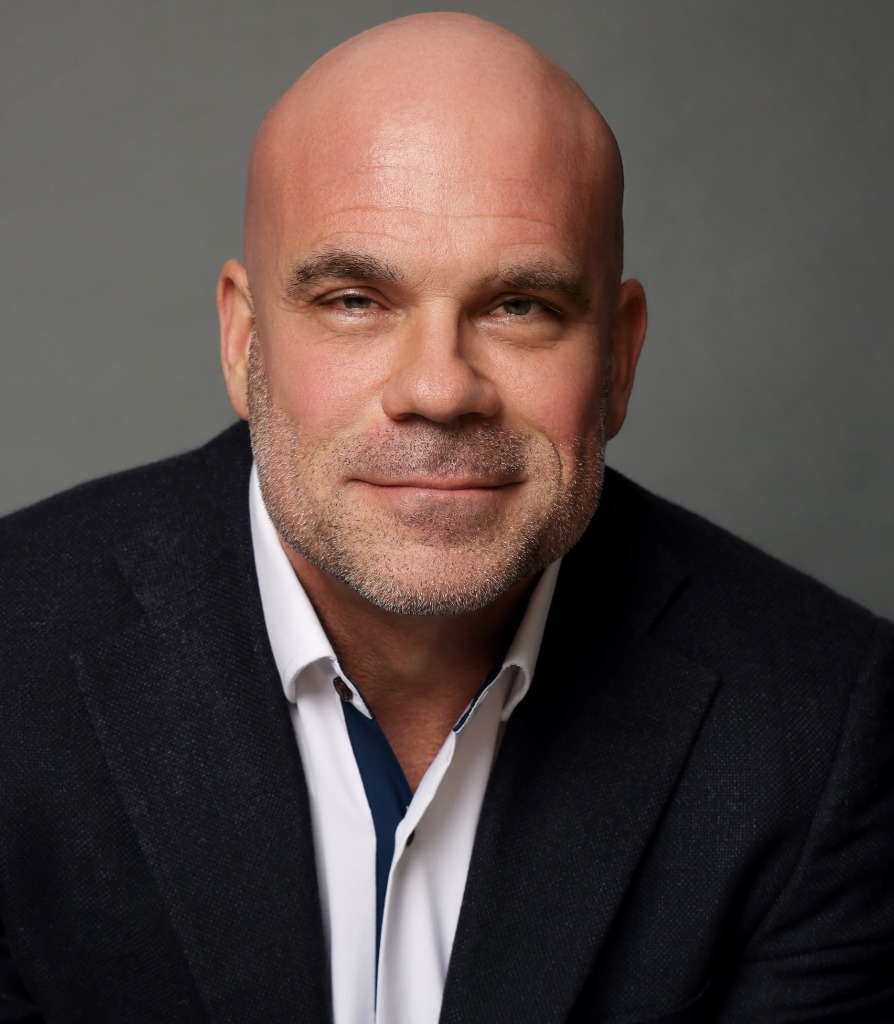
Executive Director · Center for AI Oversight
An attorney and governance executive whose experience spans enterprise leadership, financial services policy, and the oversight responsibilities of boards. Brian founded the Center to define what AI requires of the institutions that put it to work.
A short briefing for directors, executives, and the professions responsible for AI oversight.